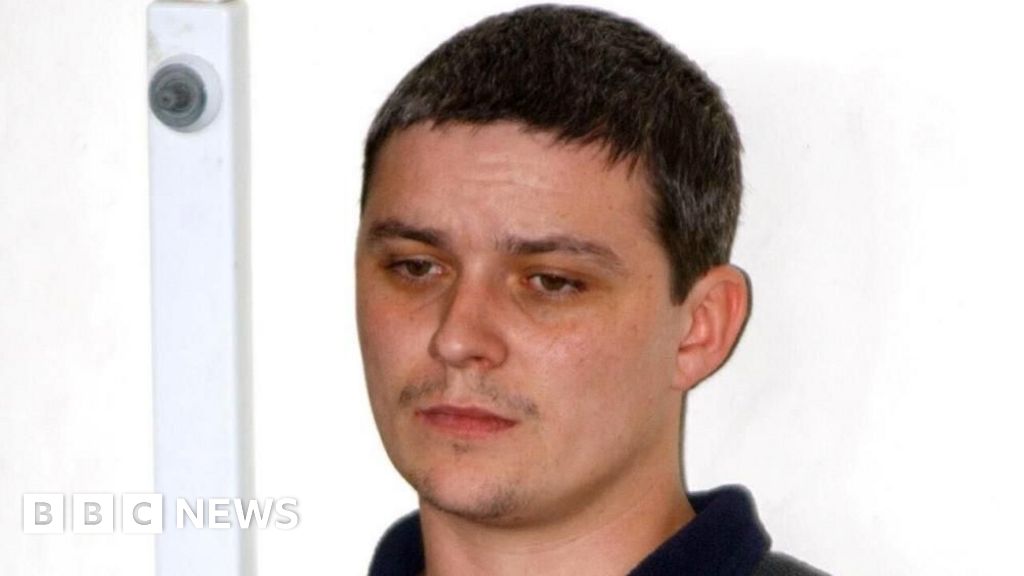
Third Attack on Soham Killer Ian Huntley: Target in 'Monster Mansion'
The grim reality of life within the UK's most secure correctional facilities has once again been cast into stark relief following the latest brutal assault on Ian Huntley, the notorious Soham killer. Serving a life sentence for the horrific 2002 murders of 10-year-olds Holly Wells and Jessica Chapman, Huntley, 52, is currently fighting for his life in hospital after being savagely attacked by a fellow inmate at HMP Frankland, often dubbed 'Monster Mansion'. This incident marks the third serious assault on Huntley during his incarceration, highlighting the persistent dangers faced by high-profile offenders within the prison system.
The recent
soham killer attack, described as exceptionally violent, occurred within a prison workshop. According to reports, Huntley was bludgeoned with a 'spiked metal pole', leaving him in a pool of blood and unconscious. He was rushed to hospital 'in a terrible state', with sources indicating his condition as 'touch and go' and "serious." This level of ferocity suggests a premeditated act, likely timed to coincide with a moment when Huntley would be without direct officer supervision. Durham Constabulary has since identified a suspect, a male prisoner in his mid-40s, who is currently held in segregation within the prison, though no arrests have been formally made at this stage. The scene of the attack was meticulously examined by forensic teams throughout the day, gathering crucial evidence. The ongoing investigation will aim to uncover the full extent of the circumstances surrounding this latest attempt on Huntley's life. Readers can find more immediate updates on the situation here:
Soham Killer Ian Huntley Fights for Life After Brutal Prison Attack.
A History of Violence: Huntley's Prior Prison Assaults
This most recent
soham killer attack is not an isolated incident but rather part of a disturbing pattern of violence directed at Huntley. His notoriety, stemming from the heinous nature of his crimes, has made him a perpetual target within the prison walls. Inmates, often seeking to mete out their own form of justice or gain status, frequently single out child killers for retribution.
The first significant assault on Huntley occurred in 2005 when fellow murderer Mark Hobson, who killed four people, threw boiling water over him. While details of the specific injuries from this attack are less widely reported than subsequent events, it clearly demonstrated the extreme hostility Huntley faced from the outset of his sentence.
Five years later, in 2010, Huntley endured an even more brutal assault at the hands of armed robber Damien Fowkes. Using a crudely fashioned homemade weapon, Fowkes slashed Huntley's throat, leaving him with a "severe gaping cut to the left side of his neck" that measured a horrifying seven inches long and required 21 stitches. The chilling question Fowkes posed to a prison officer – "Is he dead? I hope so." – perfectly encapsulated the deep-seated animosity Huntley inspires among his peers. Fowkes explicitly stated his motive, describing Huntley as a "notorious child killer, both inside prison and in society in general," suggesting he acted out of a desire to punish Huntley for his crimes. These incidents paint a stark picture of the constant threat Huntley lives under, where even under close observation, his safety is never guaranteed.
HMP Frankland: A Glimpse into 'Monster Mansion'
HMP Frankland, located near Durham, is a maximum-security prison designed to house some of Britain's most dangerous and challenging offenders. Its formidable reputation has earned it the grim nickname 'Monster Mansion', a moniker that accurately reflects the calibre of its inhabitants. Beyond Ian Huntley, its residents include infamous figures such as serial killer Levi Bellfield, who murdered Milly Dowler; Wayne Couzens, the former police officer convicted of Sarah Everard's murder; and Michael Adebolajo, one of Lee Rigby's killers. This concentration of high-risk individuals creates an inherently volatile environment where tensions can flare, and violence, often extreme, is a constant possibility.
The recent assault on Huntley adds to an already fraught atmosphere within Frankland. Just recently, Manchester Arena bomb plotter Hashem Abedi was accused of carrying out "terrorist" attacks on prison officers at the maximum security jail, allegedly using hot cooking oil and makeshift weapons. He denies three counts of attempted murder after four prison officers were injured in April. These ongoing incidents underscore the immense security challenges faced by staff in managing such a diverse and dangerous population. The fact that a significant
soham killer attack could still occur despite high security measures raises serious questions about the practical limits of prison control when inmates are determined to inflict harm. For more information on the identification of the suspect, see:
Spiked Pole Attack: Suspect Identified in Ian Huntley Prison Assault.
The Psychology Behind Inmate Attacks and Prison Dynamics
Understanding the psychology behind such brutal attacks on figures like Ian Huntley offers a crucial insight into the complex dynamics of prison life. Inmates who target notorious individuals often do so for a variety of reasons, extending beyond simple personal animosity.
*
Vigilante Justice: Many prisoners, despite their own criminal pasts, possess a strong moral code regarding crimes against children. They view themselves as unofficial enforcers of justice within the prison system, punishing those whom they believe have evaded sufficient retribution. This desire for vengeance is particularly strong against child killers, who are often ostracised and despised by the wider inmate population.
*
Status and Reputation: Carrying out an attack on a high-profile figure like Huntley can significantly elevate an inmate's status and reputation within the prison hierarchy. It can be seen as an act of bravery, strength, or defiance, earning respect (or fear) from fellow prisoners and potentially reducing their own vulnerability to attack.
*
Expression of Disgust: For some, the attack is a visceral expression of their disgust and revulsion towards the nature of Huntley's crimes. It's a way to reclaim a sense of morality, however twisted, in an environment often devoid of it.
*
Security and Isolation: Interestingly, attacking a notorious inmate can also be a calculated move to be placed in segregation or a different wing, offering a temporary reprieve from the general population, which can be an attractive prospect for some.
These factors combine to create an environment where individuals like Huntley are perpetually at risk. Even with constant monitoring, the sheer determination of some inmates to inflict harm can override security protocols, especially in environments as complex and high-stakes as HMP Frankland.
Managing High-Profile Inmates: Challenges and Measures
The repeated assaults on Ian Huntley underscore the immense challenges faced by prison authorities in managing high-profile, reviled inmates. While measures like close observation, segregation, and strategic cell placement are employed, preventing determined attacks in an environment where weapons can be improvised and opportunities seized remains incredibly difficult.
Practical Insights for Prison Management:
1.
Enhanced Intelligence Gathering: Continuous intelligence gathering about inmate sentiments, affiliations, and potential threats is paramount. Understanding who might target whom, and why, can help pre-empt attacks.
2.
Strategic Placement: While Huntley is likely already in a highly controlled environment, continuous review of his placement relative to other high-risk or potentially hostile inmates is crucial. This includes careful consideration of workshop assignments or recreational timings.
3.
Searches and Weapon Detection: Regular and thorough searches for improvised weapons are a constant necessity. The ease with which a "spiked metal pole" could be fashioned or obtained highlights a persistent security vulnerability.
4.
Staff Vigilance: The attack's apparent timing around when Huntley was "without any officers near him" suggests a need for heightened and consistent staff presence and vigilance, particularly around high-risk individuals in less supervised areas like workshops.
5.
Behavioural Analysis: Monitoring not just the target but also potential aggressors for changes in behaviour, increased agitation, or unusual interactions can provide early warning signs.
The ultimate goal is to balance the safety and security of all inmates and staff with the inherent complexities of housing individuals like Huntley, whose crimes evoke such intense hatred.
Conclusion
The third severe
soham killer attack on Ian Huntley serves as a stark reminder of the brutal realities that can unfold within the high walls of maximum-security prisons. As Huntley fights for his life, the incident reignites conversations about inmate-on-inmate violence, the challenges of managing notorious offenders, and the inherent dangers within facilities like HMP Frankland. The identification of a suspect and the ongoing police investigation aim to bring clarity to the circumstances of this latest assault. For Ian Huntley, the 'Monster Mansion' continues to be a perilous environment where the weight of his past crimes casts a long and dangerous shadow, making him a perpetual target for those who seek to exact their own form of justice.