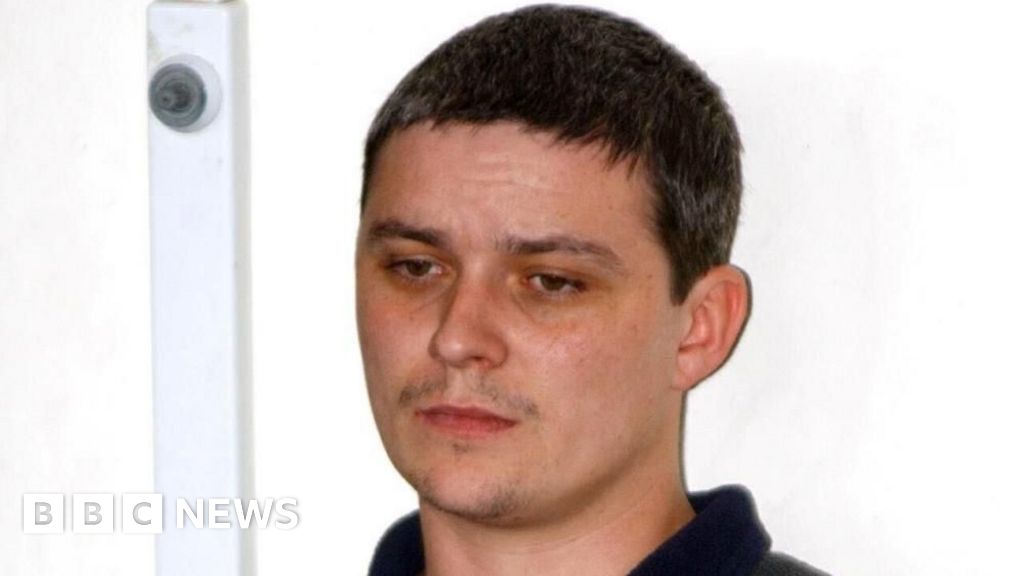
The infamous Soham killer, Ian Huntley, is once again at the centre of a dramatic incident, fighting for his life in hospital following a brutal assault within the confines of the high-security HMP Frankland. This latest attack, reported to have left the convicted double child murderer in a critical condition, reignites public debate surrounding prison safety, the treatment of high-profile inmates, and the grim realities of life inside Britain's most formidable correctional facilities. The news of this spiked pole attack on the Soham killer has sent shockwaves, highlighting the enduring animosity towards such heinous criminals, even years after their conviction.
The Latest Assault: A Coordinated and Vicious Attack
Details emerging from HMP Frankland, often dubbed "Monster Mansion" due to its notorious residents, paint a disturbing picture of the incident that occurred on Thursday morning. Ian Huntley, now 52, was reportedly found in a "terrible state," lying in a pool of blood within a prison workshop. Sources indicate he was bludgeoned severely with a "spiked metal pole," causing significant head injuries that have left his condition "touch and go."
Police were swift to respond, identifying an inmate in his mid-40s as a key suspect in the assault. While no arrests have been made, the individual has been placed in segregation within the prison, a standard procedure for serious incidents to ensure safety and facilitate investigation. Durham Constabulary confirmed that Huntley remains in a serious condition, undergoing treatment for his head wounds.
The nature of the attack suggests a degree of planning. Prison sources have speculated that the timing was likely meticulously chosen to coincide with a moment when Huntley would be without immediate officer supervision. This points to a calculated act, underscoring the deep-seated hatred and motivation of the perpetrator. For the prison service, such an incident in a maximum-security facility raises serious questions about internal security protocols and the ability to safeguard even the most reviled prisoners.
A History of Violence: Huntley's Previous Prison Ordeals
What makes this latest third attack on Soham killer Ian Huntley particularly alarming is that it is not an isolated event. Huntley has been the target of at least two other severe assaults during his incarceration, illustrating a persistent pattern of violence directed at him by fellow inmates. This history provides crucial context for understanding the current situation and the unique challenges associated with housing such a universally reviled figure.
- 2010 Throat Slashing: Perhaps the most infamous prior attack occurred in 2010 when armed robber Damien Fowkes brutally slashed Huntley's throat with a homemade weapon. The wound was a horrific seven inches long, requiring 21 stitches and leaving a "severe gaping cut." Fowkes, after the attack, chillingly asked a prison officer, "Is he dead? I hope so," revealing the immense contempt held for child killers within the prison population. He openly described Huntley as a "notorious child killer," a sentiment widely shared both inside and outside prison walls.
- 2005 Boiling Water Attack: Five years earlier, in 2005, fellow murderer Mark Hobson reportedly threw boiling water over Huntley. While less severe than the throat slashing, this incident further cemented Huntley's status as a perpetual target.
These repeated attempts on Huntley's life underscore a grim reality: despite the highest levels of security and attempts to keep him under close observation, certain prisoners view the act of assaulting or even attempting to kill him as a form of vigilante justice or a way to earn a twisted form of respect. For the prison system, managing such high-risk inmates involves a constant balancing act between ensuring their safety and maintaining order in a volatile environment.
HMP Frankland: A Crucible for Britain's Most Dangerous
HMP Frankland, situated near Durham, is one of the UK's most secure prisons, designed to house some of the nation's most dangerous and notorious criminals. Its resident list reads like a who's who of infamy, including serial killer Levi Bellfield, police officer murderer Wayne Couzens, and terrorist Michael Adebolajo. This concentration of extreme offenders creates a unique and often unpredictable environment, far removed from the public imagination of prison life.
The facility itself is a testament to the challenges faced by the Prison Service. Incidents of violence are not uncommon, even among the inmate-on-officer variety. For instance, Manchester Arena bomb plotter Hashem Abedi has been accused of carrying out "terrorist" attacks on prison officers at Frankland, allegedly using hot cooking oil and makeshift weapons. He denies three counts of attempted murder after four officers were injured in one such incident. Such events highlight the constant threat of violence and the ingenuity with which prisoners can create weapons or opportunities for attack, even in the most controlled settings.
In such an environment, an inmate like Ian Huntley, whose crimes evoke universal disgust, becomes an almost inevitable target. The internal pecking order and codes of conduct within prison often mean that child killers are placed at the very bottom, making them vulnerable to assaults from other prisoners who may seek to gain status or act out their own moral indignation.
Beyond the Headlines: The Complexities of Prison Justice and Public Sentiment
The news of the soham killer attack inevitably triggers a strong public reaction. For many, there's a perverse sense of satisfaction or even 'justice' in hearing that a convicted child murderer has been subjected to violence. This sentiment, while understandable given the heinous nature of Huntley's crimes – the abduction and murder of 10-year-olds Holly Wells and Jessica Chapman in Soham, Cambridgeshire, in 2002 – creates a complex ethical dilemma for society and the justice system.
The Dilemma of Protection:
On one hand, the principle of the rule of law dictates that once a criminal is convicted and sentenced, they are under the care and protection of the state. This means ensuring their safety, even if they are universally reviled. Prisons are not meant to be arenas for vigilante justice; their purpose is punishment, rehabilitation (where possible), and incapacitation. Each attack on an inmate, regardless of their crime, represents a failure of the system to maintain order and protect those within its custody.
On the other hand, the public's visceral reaction is deeply rooted in the horror of Huntley's actions. The emotional toll of the Soham murders on the families and the nation was immense, and the memory of the innocent lives lost continues to evoke profound anger. This creates a difficult line for authorities to walk, balancing their duty of care with public demand for accountability and, often, a desire for retribution.
The Role of Prison Culture:
Moreover, these incidents offer a stark glimpse into the subculture of prisons. Child killers are often afforded no respect or protection by other inmates, becoming pariahs within an already outcast community. This informal system of "prison justice" can override official security measures, leading to planned attacks despite constant vigilance. Understanding this dynamic is crucial for prison administrators attempting to mitigate such risks, often by isolating such individuals, but even then, opportunities for violence can arise.
The ongoing investigation into the recent assault will undoubtedly scrutinize prison procedures, staff vigilance, and the specific circumstances that allowed a weapon to be used so effectively. It serves as a stark reminder that even in the most controlled environments, the volatile mix of extreme personalities and simmering resentments can erupt into brutal violence.
As Ian Huntley fights for his life, the incident forces a renewed examination of what "justice" truly means behind bars and the immense challenges faced by those tasked with managing society's most dangerous individuals. The Soham killer attack is not merely a crime within a crime; it is a profound reflection on the enduring impact of unspeakable acts and the dark corners of the human psyche, both criminal and collective.