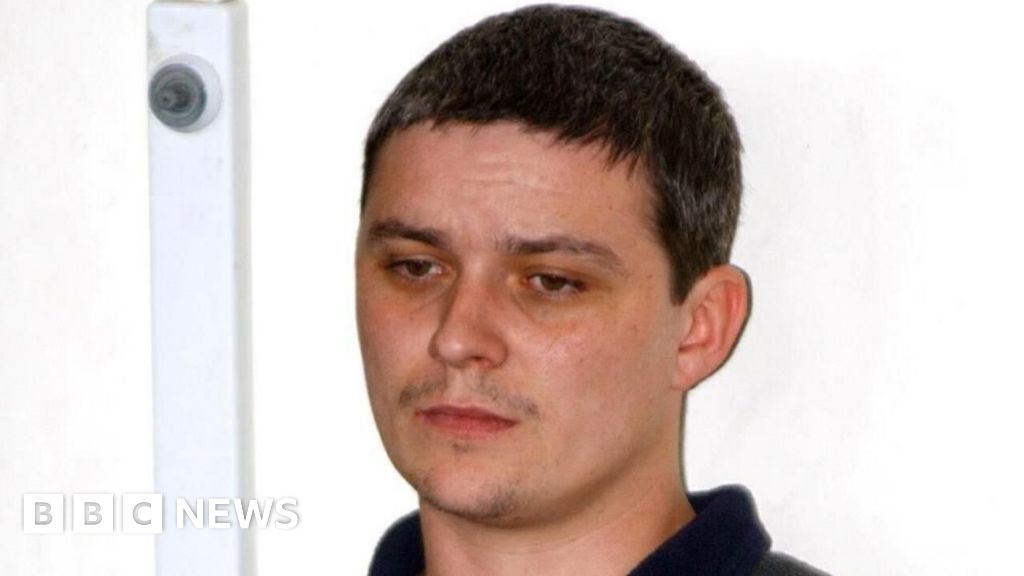
Latest Soham Killer Attack: Suspect Identified in Ian Huntley Prison Assault
Ian Huntley, the notorious Soham murderer, is once again at the centre of national headlines following a brutal assault within the confines of HMP Frankland, a maximum-security prison. The incident, which left the 52-year-old double child killer fighting for his life, involved a vicious attack with a "spiked metal pole" in a prison workshop. Authorities have swiftly identified a suspect, a fellow inmate in his mid-40s, marking another chapter in the violent and highly scrutinised incarceration of one of Britain's most reviled criminals.
The severity of the attack underscores the inherent dangers within the prison system, particularly for high-profile offenders like Huntley, who remain constant targets. This latest assault is not an isolated event but rather the third serious attempt on Huntley's life since his imprisonment, raising persistent questions about prison security and the psychological dynamics that govern life behind bars.
The Brutal Attack at HMP Frankland: A Detailed Account
Reports indicate that the assault on Ian Huntley occurred on a Thursday morning within a workshop at HMP Frankland, often dubbed "Monster Mansion" due to its notorious inhabitants. Huntley was discovered in a pool of blood, having sustained "severe" injuries from what is believed to be a makeshift weapon – a spiked metal pole. Sources close to the situation described his condition as "touch and go," with Huntley being rushed to hospital in a "terrible state." He is currently receiving treatment for significant head injuries and remains in a serious condition.
Durham Constabulary quickly launched an investigation, with forensic teams examining the scene to gather evidence. Within hours, a suspect, described as a male prisoner in his mid-40s, was identified. While no arrest has been formally made at this stage, the individual has been placed in segregation within the prison, a standard procedure for suspects involved in such serious incidents. The timing of the attack suggests a calculated move, executed at a moment when Huntley might have been less supervised, highlighting a potential lapse in the constant vigilance typically afforded to such high-risk inmates.
The use of a makeshift weapon like a "spiked metal pole" points to the ingenuity of inmates in creating dangerous tools from everyday items, a perpetual challenge for prison security. Even in facilities designed for the most dangerous offenders, the constant threat of violence necessitates advanced surveillance, intelligence gathering, and strict control over materials that could be weaponised.
A History of Violence: Huntley's Previous Prison Assaults
This recent Soham killer attack is far from the first time Ian Huntley has been targeted. His incarceration has been punctuated by at least two other significant assaults, painting a stark picture of the relentless hostility he faces from fellow prisoners. These previous incidents underscore a pattern of violence that makes his continued safety a constant concern for prison authorities.
- The Boiling Water Attack (2005): Just three years into his sentence, Huntley was targeted by fellow murderer Mark Hobson, who threw boiling water over him. While not life-threatening, this incident demonstrated the immediate and intense animosity directed towards Huntley.
- The Throat Slashing (2010): Perhaps the most serious prior attempt on his life, armed robber Damien Fowkes attacked Huntley with a homemade weapon, leaving him with a "severe gaping cut to the left side of his neck." The wound, seven inches long, required 21 stitches. Fowkes, upon seeing his victim, chillingly asked a prison officer, "Is he dead? I hope so," revealing the profound hatred many inmates harboured for Huntley, whom he described as a "notorious child killer, both inside prison and in society in general."
These recurring assaults illustrate a harsh reality within the prison system: certain inmates, particularly those convicted of heinous crimes against children, become pariahs. Their presence often stirs deep-seated anger and a desire for vigilante justice among other prisoners, many of whom have their own moral codes, however twisted. For more details on these previous incidents, you can refer to articles like Third Attack on Soham Killer Ian Huntley: Target in 'Monster Mansion'.
Inside HMP Frankland: Navigating the 'Monster Mansion' Dynamics
HMP Frankland is one of the UK's highest security prisons, specifically designed to house some of the nation's most dangerous and infamous criminals. Its roster includes serial killers like Levi Bellfield, terrorists such as Michael Adebolajo, and convicted murderers like Wayne Couzens. The presence of such a concentrated population of high-risk individuals creates a uniquely volatile and challenging environment for both inmates and prison staff.
Challenges in a High-Security Environment:
- Inmate Hierarchy and Codes: Within such institutions, an intricate social hierarchy and inmate code often prevail. Child murderers like Huntley are typically at the bottom, frequently subjected to ostracisation and violence. Attacking such individuals can sometimes elevate an assailant's status among certain factions of the prison population.
- Weapon Proliferation: Despite stringent security, inmates can be incredibly resourceful. Everyday items – from toothbrushes to metal fragments – can be fashioned into dangerous weapons. This continuous cat-and-mouse game between inmates and staff necessitates constant vigilance and creative countermeasures.
- Managing Notoriety: Housing high-profile offenders presents unique security challenges. Their notoriety, while keeping them under intense scrutiny, also makes them targets, requiring specific protection protocols. However, even these measures can be circumvented, as seen in Huntley's repeated assaults.
- Staff Safety: The inherent danger of such prisons extends to the staff. Incidents like the alleged "terrorist" attacks by Manchester Arena bomb plotter Hashem Abedi on prison officers with hot cooking oil and makeshift weapons highlight the constant threat personnel face.
Maintaining order and ensuring the safety of all inmates and staff in such an environment requires a delicate balance of constant surveillance, intelligence gathering, and strict segregation protocols. The psychological toll on prisoners and officers alike can be immense, dealing with the constant threat of violence and the complexities of human behaviour under extreme conditions.
The Broader Implications of a High-Profile Soham Killer Attack
The latest Soham killer attack on Ian Huntley reverberates beyond the prison walls, sparking public debate and raising critical questions about justice, retribution, and the efficacy of the prison system. For many, there's a grim satisfaction in the idea of Huntley suffering, a perception of "justice" being delivered outside the formal legal framework. However, the legal and ethical implications of such vigilante actions within a state-run institution are complex.
An attack of this nature inevitably prompts a review of security protocols at HMP Frankland. Questions arise regarding staffing levels, surveillance blind spots, and the effectiveness of measures designed to prevent inmates from acquiring or fashioning weapons. The Prison Service's statement, confirming an incident and ongoing police investigation, underscores the seriousness with which these matters are treated.
Furthermore, such incidents highlight the enduring public fascination and revulsion surrounding crimes like those committed by Huntley. The very mention of his name instantly recalls the tragic murders of Holly Wells and Jessica Chapman in 2002, cementing his place as one of the UK's most despised criminals. This societal outrage often finds a proxy within the prison walls, turning figures like Huntley into symbolic targets for other inmates seeking to make a statement or exact a perceived form of justice. You can read more about the initial shock and response to this event in articles like Soham Killer Ian Huntley Fights for Life After Brutal Prison Attack.
What This Incident Tells Us:
- Persistent Threat: High-profile child killers will likely always remain targets within the prison system, regardless of the security level.
- Security Challenges: Even in maximum-security environments, preventing all forms of contraband and violence is an immense, ongoing challenge.
- Public Perception: Such incidents often polarise public opinion, torn between calls for stricter security and a darker, more primitive desire for retribution.
The suspect, currently in segregation, will face potential legal repercussions for the assault, adding another layer to the complex legal journey of those incarcerated for serious crimes. The incident serves as a stark reminder of the harsh realities of prison life, where the line between state-administered justice and inmate-enforced retribution can sometimes blur.
Conclusion
The latest brutal assault on Ian Huntley, leaving him in a serious condition, has once again cast a harsh spotlight on the volatile world within Britain's maximum-security prisons. With a suspect identified and an investigation underway, the incident at HMP Frankland underscores the persistent dangers faced by high-profile inmates and the constant challenges for prison authorities in maintaining order and safety. As Ian Huntley battles for his life, this latest Soham killer attack not only highlights the dark dynamics of prison life but also reignites public discourse on justice, retribution, and the complex responsibility of managing society's most reviled offenders.